📋 Case Study Summary
- Project: SG Assignment Helper (Academic Triage Service).
- Challenge: Overcoming "Design Paralysis" and avoiding the "Generic SaaS" aesthetic.
- Methodology: First Principles Thinking (Copy → Logic → UI).
- Tooling: Project Athena (AI Agent) for rapid iteration + Tailwind CSS.
- Outcome: Shipped a high-trust, production-ready site in 1 Deep Work Saturday.
📊 Implications
The Paralysis
Most designers start with pixels. They open Figma, drag in a "Hero Section" component, and try to make it look pretty. I spent a week doing this for my new project, SG Assignment Helper, and every result was a failure.
The drafts looked like "Corporate Memphis"—generic, soulless, and completely untrustworthy. In the academic formatting industry, "generic" reads as "scam."
I realized I was optimizing the Skin (UI) before I had built the Skeleton (Logic) or the Soul (Copy). I deleted the files and restarted using First Principles.
Table of Contents
Part 1: The Dependency Hierarchy
I established a strict linear dependency for the build. I forbade myself from touching the next layer until the previous one was locked.
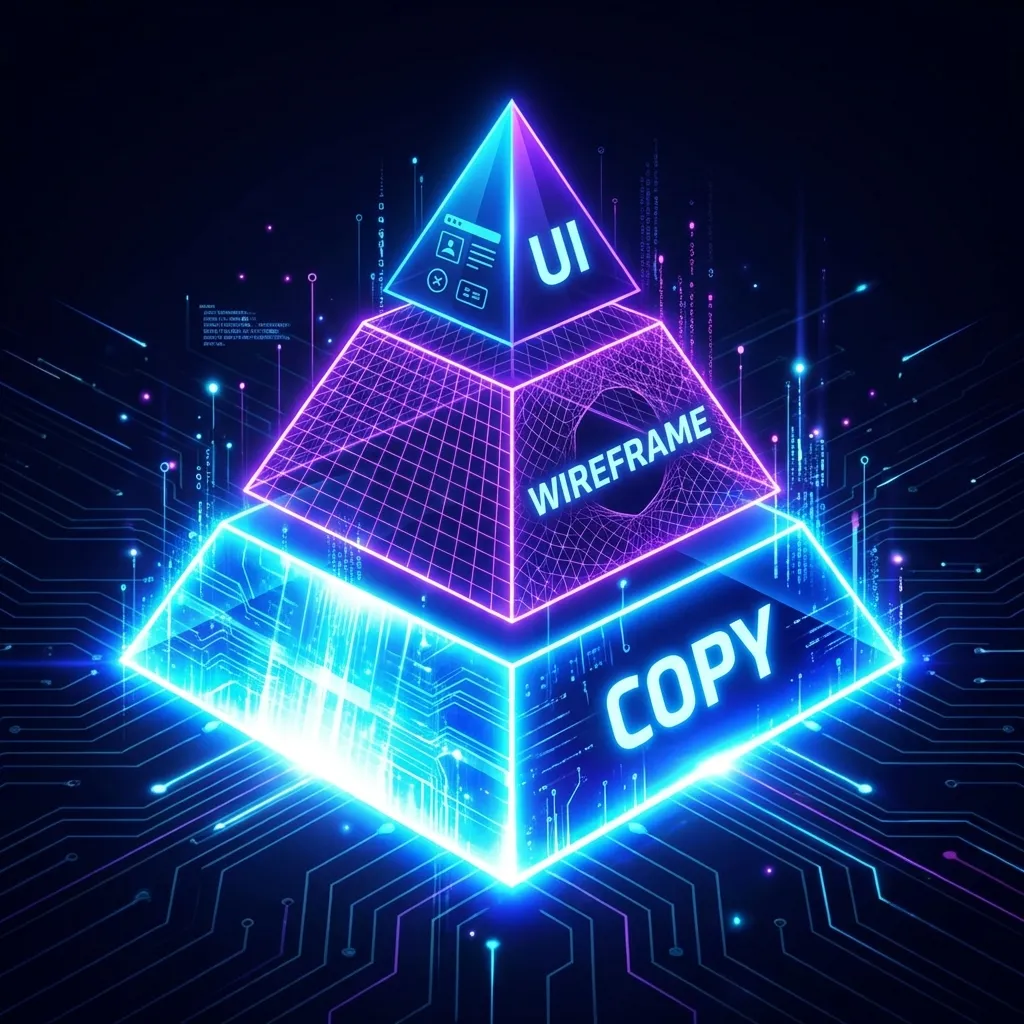
| Layer | Component | The Question |
|---|---|---|
| 1. The Soul (Base) | Positioning & Copy | "What is the specific pain, and why do they trust us?" |
| 2. The Skeleton | Wireframe & Logic | "How do we prove the claim immediately?" |
| 3. The Skin (Top) | UI & Vibe | "What does Safety feel like?" |
Part 2: The "Safe Harbor" Pivot
Using Project Athena (my AI workspace), I audited the initial positioning. The first iterations felt like a "Ghostwriting Service"—high risk, shady vibes.
We pivoted to "Academic Safe Harbor."
Instead of "We write your essay," the copy became:
- "The 24-Hour Panic" (Empathy for the deadline).
- "Triage & Consulting" (Legitimate mechanism).
- "Zero Logs Policy" (Trust adherence).
This copy dictated the design. You can't put "Safe Harbor" text on a "Cyberpunk Hacker" background. The UI *had* to be calm, blue, and professional.
Part 3: AI as Velocity Multiplier
The "First Principles" approach sounds slow. It usually is. But this is where AI Velocity comes in.
🚀 How Athena Compressed Time
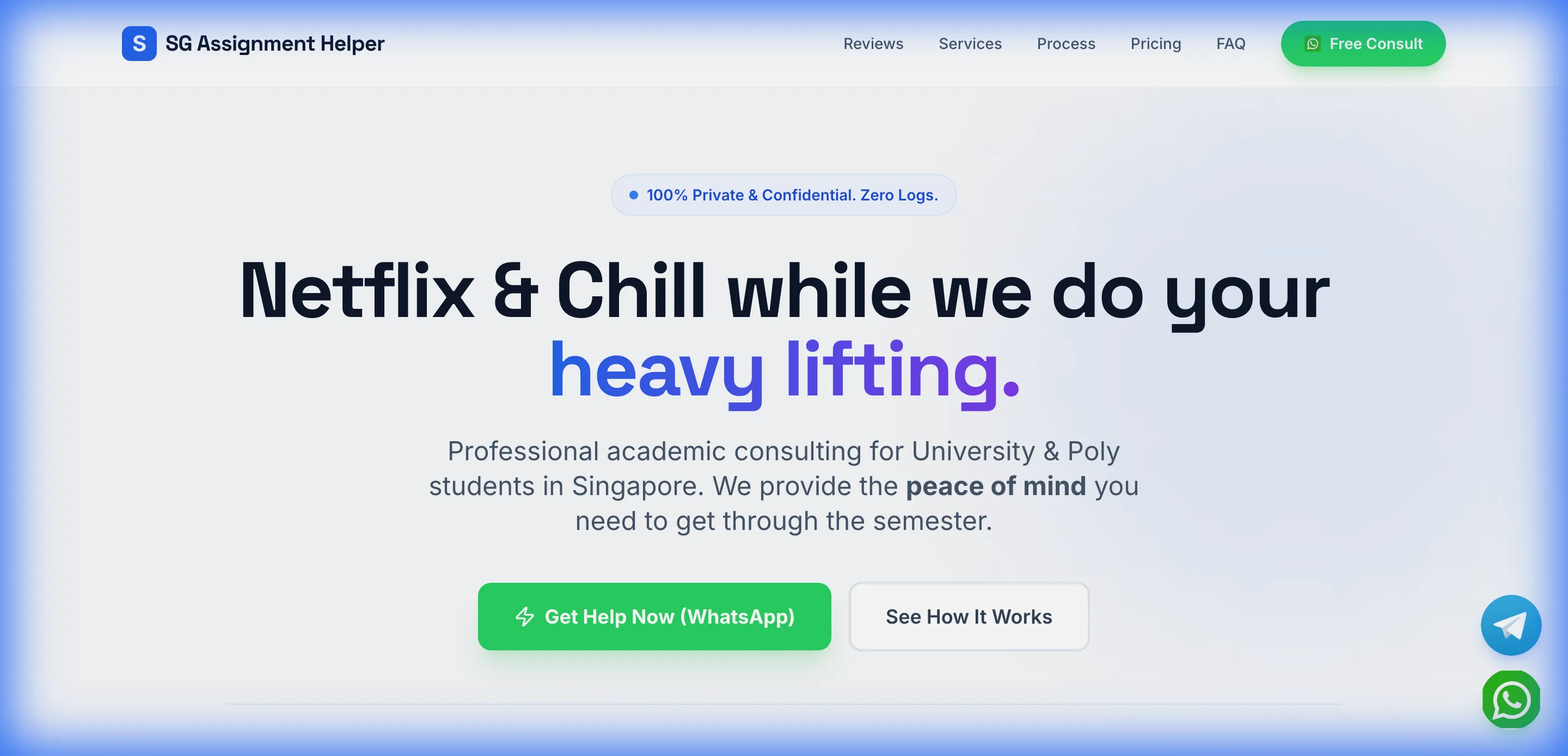
- Copy Iteration: Generated 20 variations of the "Netflix & Chill" hook in 5 minutes vs 4 hours.
- Compliance Audit: Scanned copy for legal risk terms (e.g., "guaranteed grades") and removed them instantly.
- Code Scaffolding: Spun up the Tailwind/HTML boilerplate for the 5-phase process section in seconds.
I provided the Direction (The "Safe Harbor" Strategy). Athena provided the Execution (Writing, Coding, Checking). This allowed me to operate as a full-stack team of one.
Part 4: The Result
The site went from "Blank Canvas Paralysis" to "Shipped Production" in a single Saturday.
Why This Matters
This project isn't just a landing page. It's a proof of concept for Sovereign Engineering. By combining clear thinking (First Principles) with infinite leverage (AI), a single individual can ship agency-grade work in 10% of the time.
📚 Further Reading
- Gemini Gem Agent — Another case study in AI acceleration.
Frequently Asked Questions
What is First Principles Design?
It's a design methodology that enforces a strict build order: Soul (positioning and copy) → Skeleton (wireframe and logic) → Skin (UI and visual vibe). Instead of starting in Figma and making things "look pretty," you start by defining what the page needs to communicate and prove, then build the structure, then apply the aesthetic.
What is the "Safe Harbor" positioning pivot?
In the case study, the initial positioning for an academic service felt like a "ghostwriting" operation — shady and untrustworthy. By reframing it as "Academic Safe Harbor" (emphasizing triage, consulting, and zero-logs policy), the copy dictated a calm, professional design that built trust instead of suspicion. Copy drives design, not the reverse.
How does AI accelerate First Principles Design?
AI handles the execution layer: generating 20 copy variations in 5 minutes (vs 4 hours manually), scanning for legal risk terms, and scaffolding boilerplate code. The human provides direction (the "Safe Harbor" strategy); the AI provides velocity. This lets a solo operator ship production-ready sites in a single Deep Work Saturday.